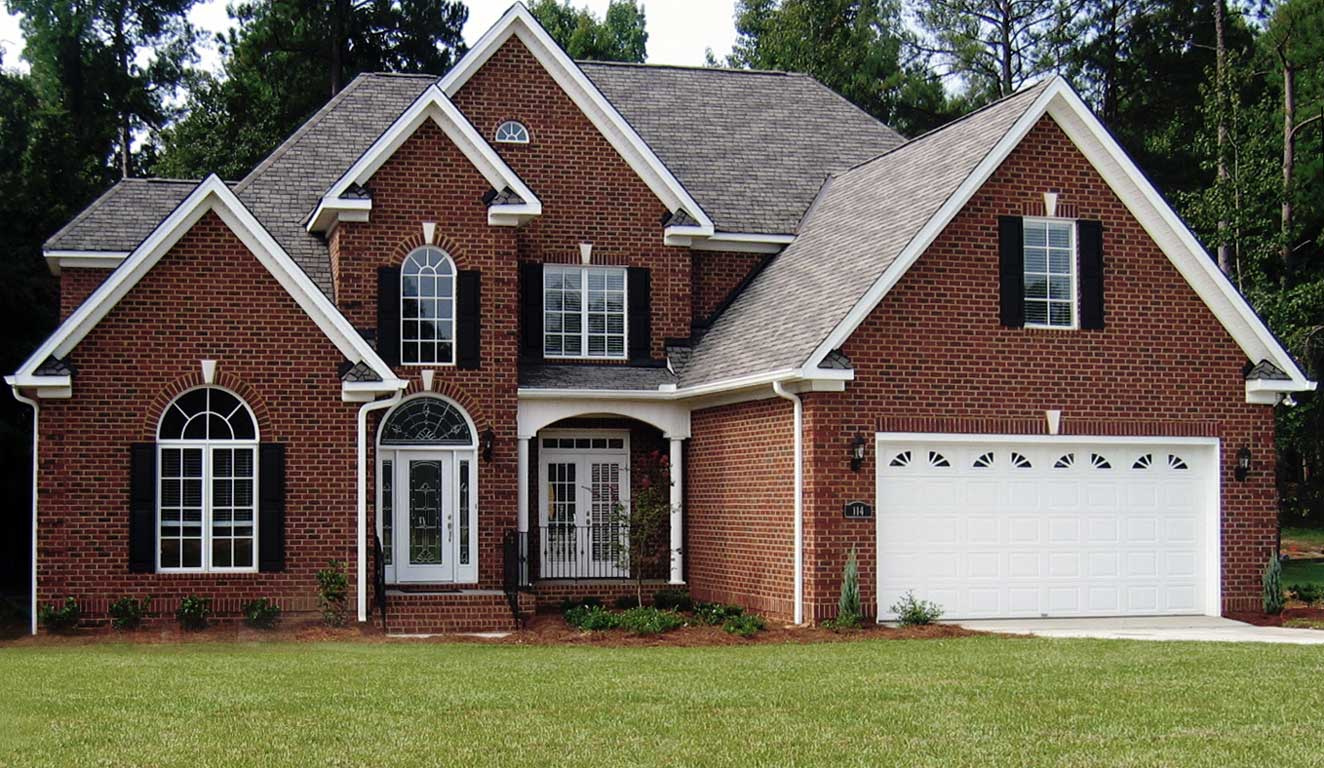
Asphalt shingle roof replacement, done right.
A full tear-off, a check of what's underneath, and a new shingle roof built for DFW Metro summers and spring hail. We handle it start to finish across the region.
Absolute Professional Roofing Contractors handles asphalt shingle roof replacements across the DFW Metro, from Plano and Frisco to Dallas and Richardson. A replacement means a full tear-off down to bare decking, a board-by-board check of what's underneath, new underlayment with ice and water shield at the eaves and valleys, and a new shingle system installed to manufacturer specification. We've worked in the region since 2009 and hold TX roofing license #80001716.
How do you know a Texas home needs a full replacement instead of a patch?
The clearest sign is age combined with condition, not either one alone. A ten-year-old roof with a couple of cracked shingles is a repair; a roof with widespread curling, bald spots, and brittle mat across every slope is past the point where patching pays off. Once shingles lose their seal and their flexibility across the whole field, individual repairs stop holding and start costing more than a replacement spread out over time. A close inspection of the shingles, the flashing, and the attic side tells you which situation you're in before any work starts.
Signs it's time to replace
Curling or cupped shingles
Years of sun and heat cycling dry the asphalt out and shrink it, so the edges lift and curl instead of lying flat. Once that happens across a slope, the shingles no longer seal against wind and rain.
Heavy granule loss
Some granule loss is normal, but bald patches and gutters full of grit mean the protective layer is gone and the mat underneath is exposed to direct sun.
Brittle or cracking shingles
Shingles that crack underfoot or split at the edges have lost their flexibility. Cracked shingles let water into the underlayment and can't be walked on for spot repairs without damaging more of them.
Roof at or past its expected service life
Most asphalt shingle roofs are replaced somewhere in their second or third decade, sooner in a hot climate like Texas. Replacing on your own timeline beats waiting for a leak to force the decision.
What we look at before recommending replacement
Sun and heat exposure
Texas summers put shingles through more expansion and contraction cycles than milder climates, which speeds up drying and curling.
Attic ventilation
A hot, poorly vented attic cooks shingles from underneath, so we check intake and exhaust airflow as part of any replacement conversation.
Hail or wind damage layered on age
An older roof that also takes a hailstorm often gets pushed from repairable to replacement territory in one event.
Multiple layers or an aging original install
Roofs with more than one layer of shingles, or an install that wasn't done to spec the first time, age faster and limit repair options.
What to expect during the visit
We start with a full tear-off down to the decking so nothing gets covered up or missed. Every board gets checked, and any decking that's soft, delaminated, or water-damaged gets replaced before anything new goes down. New underlayment goes on next, with ice and water shield at the eaves, valleys, and any other spot that's historically vulnerable to wind-driven rain. Shingles go on to manufacturer specification, ridge and flashing details get finished, and the site gets cleaned up before we walk you through the finished roof.
Related services you may need
If a hailstorm is part of why you're looking at replacement, our Storm & Hail Restoration team can document the damage and work the insurance side of it. Once the new roof is on, it's a good time to look at Ventilation & Energy Efficiency upgrades and to check whether your Gutters need to come off and go back on with the new roof edge.
The cost of waiting
A roof with curling and bald shingles doesn't stay that way, it gets worse with every hot summer and every storm that rolls through. Small leaks that start at a lifted shingle work their way into the underlayment and then the decking, turning a straightforward replacement into a job that also has to deal with rotted boards or damaged insulation. Waiting rarely saves money, it just moves the problem underneath the surface where it's harder to see and more expensive to fix.
How long does an asphalt shingle roof replacement take?
It depends mostly on the size of the roof, the number of layers coming off, and how much decking needs to be replaced once we get down to it. A straightforward tear-off and reinstall on a typical home moves faster than one with hidden decking damage or multiple roof planes, which is why we give you a real timeline after the inspection rather than a generic estimate.
Should I repair my asphalt shingle roof or replace it?
Repair makes sense when the damage is isolated, like a section hit by a falling limb or a handful of shingles lost to wind, and the rest of the roof is still sealing and flexible. Replacement makes more sense once curling, granule loss, and brittleness show up across most of the roof, because at that point new repairs won't hold any longer than the shingles around them.
What drives the cost of a shingle roof replacement up or down?
Roof size and pitch are the biggest factors, along with how many layers of old shingles have to come off and how much decking turns out to be damaged once we get down to it. Adding ventilation upgrades or upgraded underlayment at that point also affects the total, which is why we walk the full scope with you before any work begins.
Call us to get a free inspection and an honest read on whether your roof needs a replacement or a repair. We serve homeowners across the DFW Metro and can walk the roof with you before you decide anything.
- Full roof replacements built for Texas heat, hail, and high winds, installed to manufacturer specifications with quality materials.