Attic ventilation assessment, the real story.
Before we recommend any vent work, we measure what the attic actually has against what it needs. We assess attic ventilation for homes across the DFW Metro, whether the concern is heat, moisture, or a roof aging faster than it should.
Absolute Professional Roofing Contractors assesses attic ventilation for homes throughout the DFW Metro, from Plano and McKinney to Dallas and Carrollton. An assessment means measuring the actual intake and exhaust the attic has, not just glancing at the vents from the ground. We check whether soffits are open, whether the exhaust at the ridge or gables matches that intake, and whether anything, like a bathroom fan, is venting into the attic instead of outside. It's the step that should come before any ventilation work, because adding exhaust without knowing the intake situation often makes the problem worse, not better.
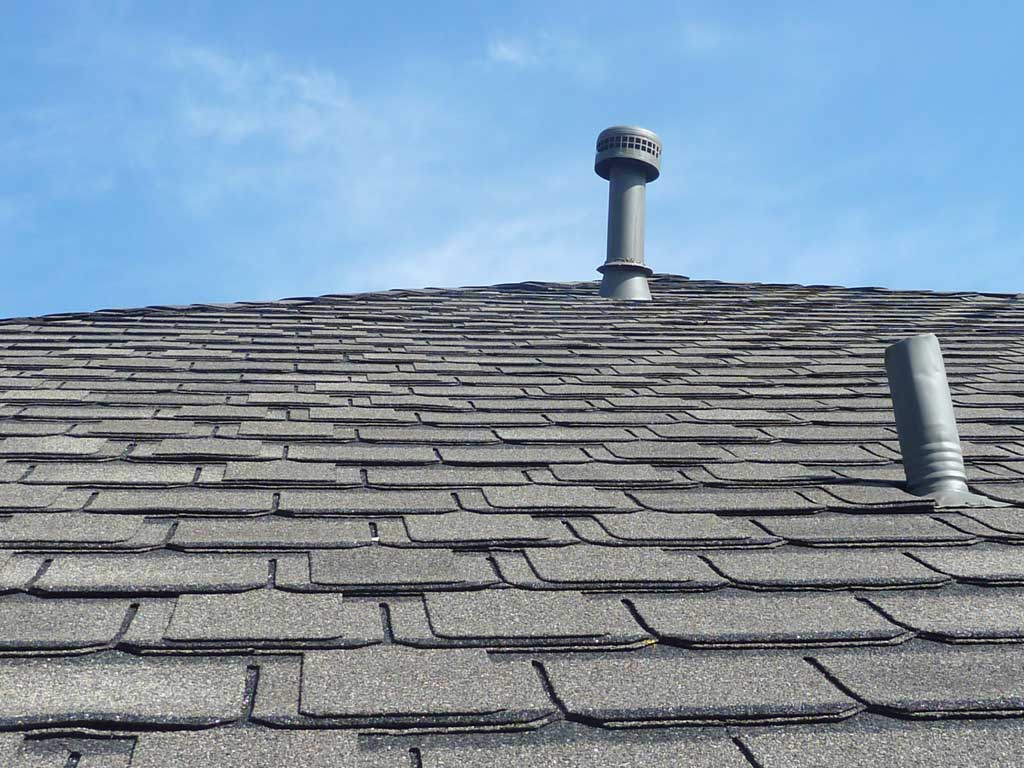
Does your attic smell musty or feel damp even when the roof isn't leaking?
That combination almost always points to ventilation, not a leak. Warm, moist air from inside the house rises into the attic and, without enough exhaust to carry it back out, condenses on the underside of the decking. Over time it stains the wood, feeds mold, and can be mistaken for a roof leak when the roof itself is sound. Bathroom and dryer fans that dead-end in the attic instead of venting outside are a common contributor, and they're easy to miss without someone actually up there looking. An assessment tells you whether it's moisture, a leak, or both before any repair work starts.
Signs your attic ventilation needs a closer look
Musty smell or dark staining on the decking
A musty odor or dark streaking on the underside of the roof deck usually points to moisture condensing in the attic, not a roof leak. It's one of the clearer signs the ventilation path isn't moving air the way it should.
Frost on nail tips in cold weather
In colder stretches, frost forming on the nail points poking through the decking is a sign warm, damp air is reaching the attic and condensing overnight. It typically traces back to gaps in exhaust ventilation or insulation.
Bathroom or dryer fans that seem to vent nowhere
If a bathroom fan runs but the room never really clears, or the attic access hatch feels humid after a shower, the fan may be terminating in the attic instead of outside. That moisture has to go somewhere, and the attic is the wrong place for it to land.
Rooms below the attic that never cool down
Persistent heat in the rooms directly under the attic, even with the air conditioner running, often means the attic itself isn't shedding heat fast enough. That points back to an intake and exhaust imbalance.
What we look at during the assessment
Intake and exhaust ratio
We measure the attic size against the current intake at the soffits and exhaust at the ridge or gables. Most ventilation problems come down to one side of that equation being too small for the other.
Blocked soffit vents
Insulation that's been pushed too far into the eaves, sometimes during an unrelated attic project, can choke off intake even when the soffit vents look fine from the ground.
Fans venting into the attic instead of outside
We trace where bathroom and dryer exhaust actually terminates. A fan that dumps moist air into the attic instead of outdoors can undo whatever ventilation is already in place.
Roof age and condition
Long-term poor ventilation ages shingles from underneath, so we also check whether the roof itself has been affected and whether a replacement should be part of the conversation.
What to expect during the visit
We get into the attic and check the decking, insulation, and any staining first, since that tells us how long a problem has been going on. From there we measure the soffit intake, check the ridge or gable exhaust, and trace any bathroom or dryer vents to see where they actually terminate. We'll tell you plainly whether what we found is a ventilation issue, a leak, condensation, or some combination of the three, and what fixing it involves. If the roof covering has already been affected by long-term poor ventilation, we'll explain that too, rather than just handing you a vent recommendation and moving on.
Related services you may need
If the assessment turns up a need for more exhaust, ridge vent installation is usually the fix. If it turns up an actual leak or damaged decking, that moves into roof repair territory instead.
The cost of waiting
Ventilation problems are quiet. Nothing drips through the ceiling, so it's easy to put off. But condensation left unchecked feeds mold and rots decking over months and years, and heat trapped in the attic keeps working on the shingles the whole time. An assessment now is a lot less involved than the repair that a neglected ventilation problem eventually turns into.
How do I know if my attic ventilation is bad?
Common signs include a musty smell, staining on the underside of the roof deck, rooms below the attic that stay hot, or frost on nail tips in winter. An assessment measures the actual intake and exhaust rather than guessing from these symptoms alone.
Can too much ventilation be a problem?
It's less common than too little, but exhaust without matching intake can pull air from the wrong places, including back through gaps meant to let air out. That's why we measure both sides together instead of just adding vents.
How much does an attic ventilation assessment cost?
The assessment itself is a diagnostic visit, and what it costs to fix anything found depends on what's actually wrong, whether that's blocked soffits, a fan that needs rerouting, or added exhaust. We'll walk you through the options and what drives the cost after we've had a look.
If your attic feels hot, damp, or just off, call Absolute Professional Roofing Contractors and we'll assess it properly. We work throughout the DFW Metro across all 24 of our service-area towns.
- Ridge vents, high-tech turbines, solar-powered attic vents, and radiant barrier systems that cut attic heat.